
Trading Play Store Gift Cards in Nigeria: Key Insights and Best Practices
Play Store gift cards have become a sought-after digital asset in Nigeria, addressing the needs of users who want access to premium Google Play content—such as paid apps, games, in-app purchases, and subscriptions. For many Nigerians, traditional payment methods for international digital services face barriers like currency restrictions or limited access to foreign cards, making gift cards a practical alternative. This demand has spurred a robust market for trading these cards, where users exchange them for Nigerian Naira (NGN) or use them to obtain other digital goods.
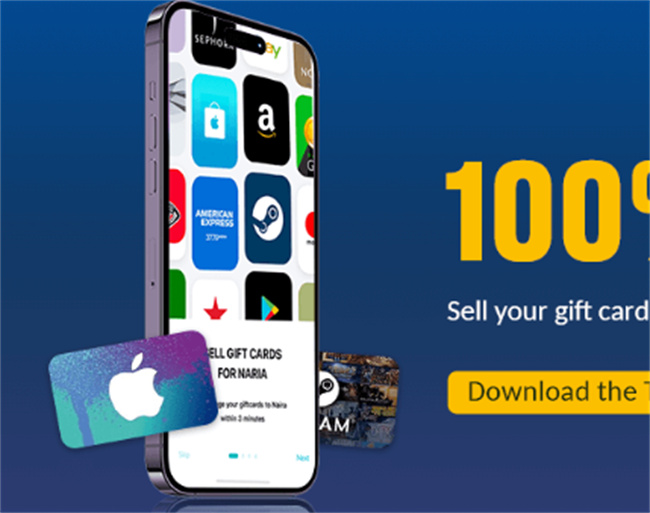
When trading Play Store gift cards in Nigeria, users have multiple channels to explore. Reputable online platforms focused on digital gift card transactions offer a structured space for buyers and sellers to connect, verify card details, and complete exchanges securely. Peer-to-peer (P2P) transactions through local community groups or social media are also common, though they carry higher fraud risks without proper checks. Critical steps here include confirming the card’s validity (e.g., unused balance and expiration date) and verifying the counterparty’s trustworthiness to avoid scams.
Exchange rates and card specifications heavily influence the value of Play Store gift cards in Nigeria. Most Play Store gift cards are denominated in foreign currencies (like USD), so their NGN equivalent fluctuates with current exchange rates and market demand. Larger denomination cards often yield more favorable per-unit rates, while expired or partially used cards have reduced or no value. Users should also note local regulatory considerations, as some transactions may fall under financial compliance rules, so engaging in legitimate practices is essential to avoid legal issues.
To ensure safe and successful trades, users should follow basic best practices. Never share sensitive information like card PINs or personal details with untrusted parties, and avoid sending Naira before confirming the gift card’s full functionality. Using escrow services (where available) adds an extra layer of protection, as funds are held until the card is verified. Keeping transaction records—including dates, amounts, and counterparty details—can help resolve disputes if they arise, ensuring a smooth trading experience for all involved.