
Current Rate of the 20-Dollar Apple Gift Card: Market Dynamics and Key Considerations
The current rate of a 20-dollar Apple gift card refers to its real-time value in secondary markets, where users buy or sell these cards outside official channels. This rate is not fixed and fluctuates based on several factors, including demand from consumers looking to access digital goods, services, or physical products tied to the card, as well as supply from individuals who received the card as a gift and wish to convert it to cash or other value. In most cases, the rate sits slightly below the $20 face value—often between $18 and $19—due to small fees deducted by resellers or platforms to cover transaction costs, but it can approach par value during high-demand periods like holidays or new product launches.
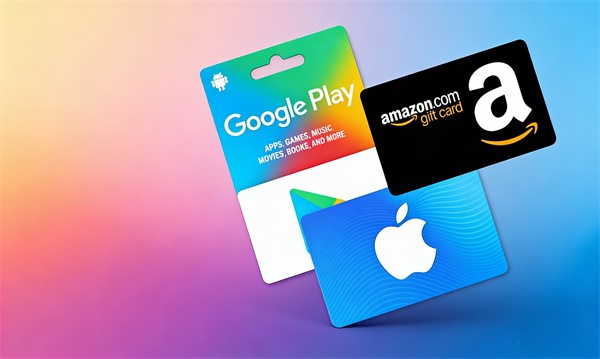
To find the current rate, users can turn to reputable online marketplaces and peer-to-peer (P2P) platforms that specialize in gift card transactions. These platforms display real-time rates from multiple sellers, allowing users to compare offers and secure the best deal. For example, some platforms might list the 20-dollar Apple gift card at $18.50, while others offer $19 if the card is digital (since digital cards have instant delivery and lower processing overhead). It’s critical to prioritize verified sellers with positive feedback on P2P platforms to avoid scams, as unvetted transactions carry inherent risks.
Understanding the current rate is essential for both buyers and sellers. For sellers, knowing the rate helps set a fair price that balances their desire for value with market demand, ensuring they don’t undersell the card. For buyers, it prevents overpaying and maximizes the value they get—whether using the card for app purchases, subscriptions, or hardware upgrades. Seasonal trends also impact the rate: back-to-school or holiday seasons often boost demand, pushing rates closer to $20, while slower periods may see rates dip slightly as supply exceeds demand. Staying informed about these dynamics helps users make smarter decisions in the gift card market.